REGISTERS
Lists that buyers check
INTERPOL's Stolen Works of Art database holds almost 57,000 items with certified police information. The private Art Loss Register lists more than 700,000.
Compare the registers
HOW STOLEN ART COMES HOME
DESCRIBE IT before you need to
AI-generated image, not a photograph of a real person or place.
A painting can vanish in minutes and take decades to come back.
What brings it back is usually paperwork, not a chase: a clear description, a good photograph and a listing on a stolen-art database that buyers, auction houses and police check before anything changes hands.
THE SHORT ANSWER
Thieves can hide a work for years.
Selling it means passing a check.
REGISTERS
INTERPOL's Stolen Works of Art database holds almost 57,000 items with certified police information. The private Art Loss Register lists more than 700,000.
Compare the registersOBJECT ID
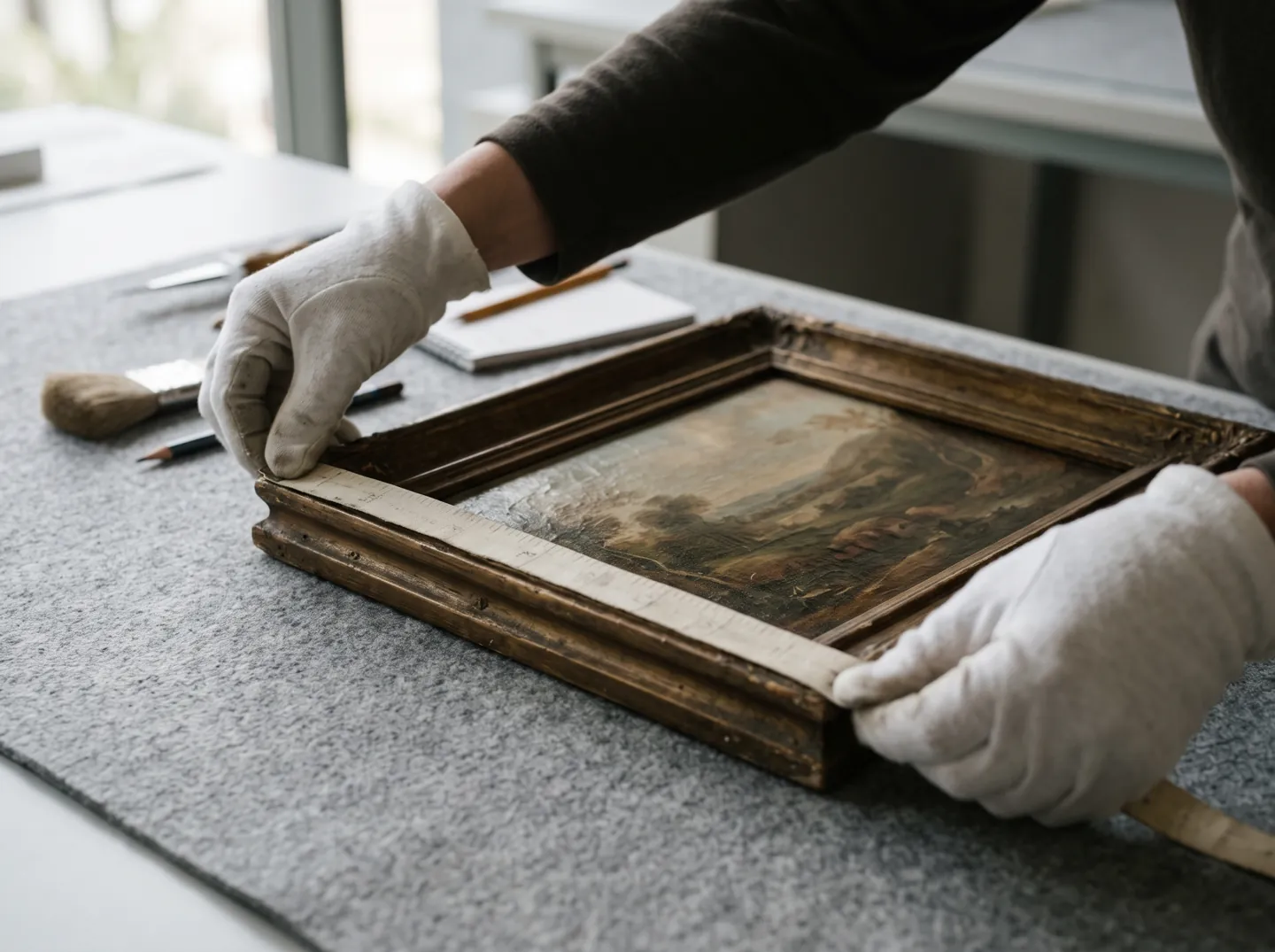
Object ID is the international standard for describing a cultural object: measurements, materials, subject, maker and any distinguishing features, plus guidance on photographs.
What to recordPHOTOGRAPHS
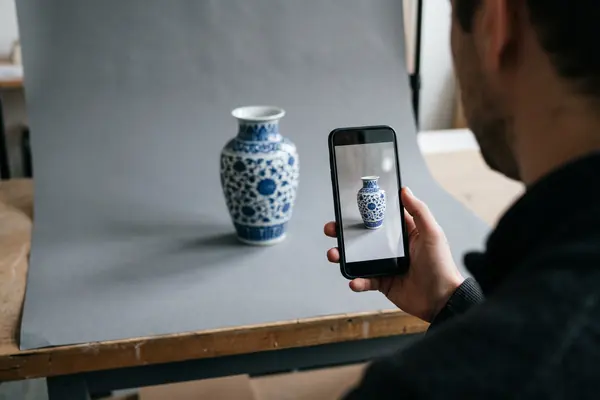
INTERPOL's free ID-Art app can match a photo of an object against its database, and lets anyone keep a private inventory in Object ID format.
See the numbers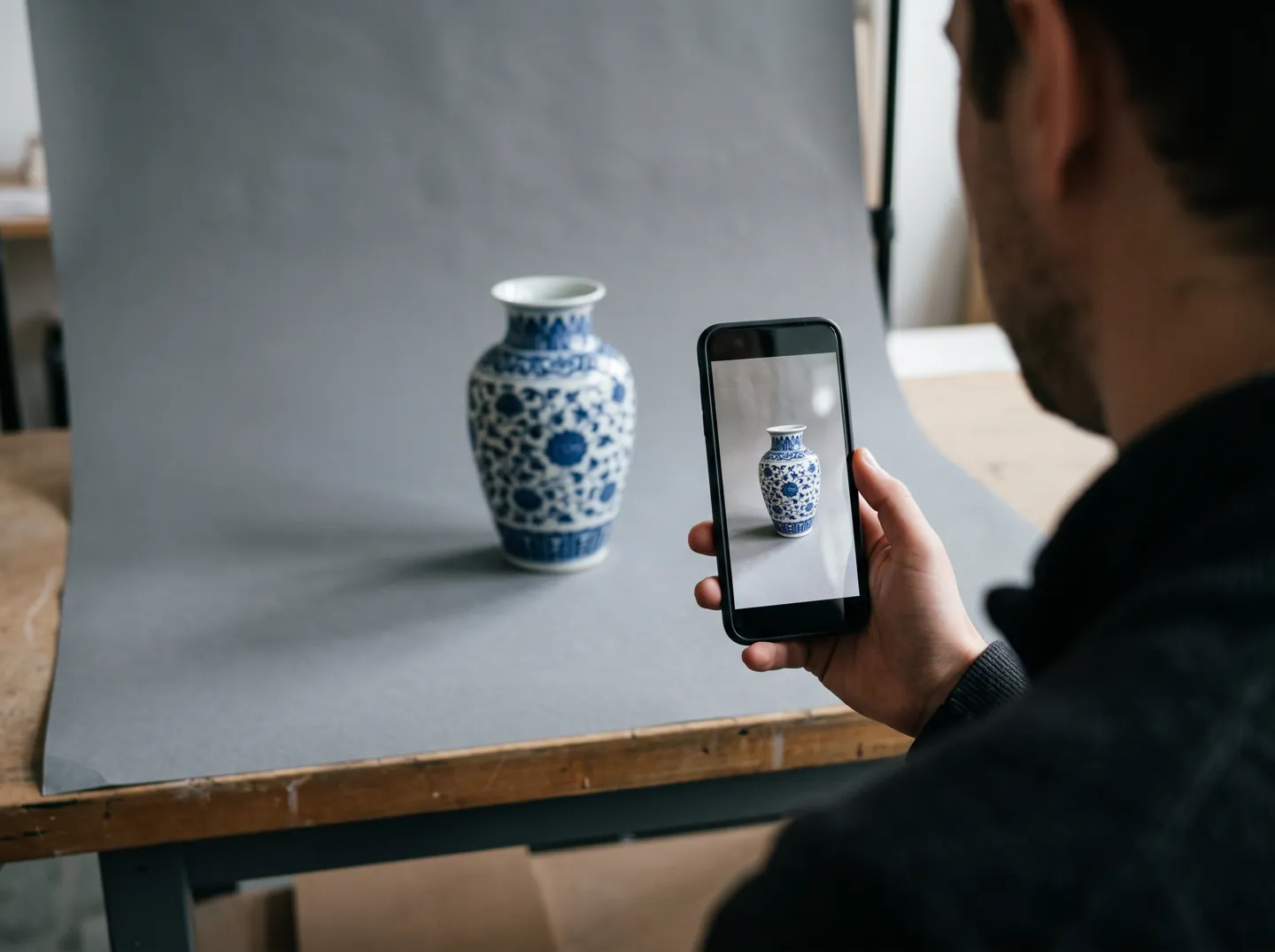
FOUR THINGS TO RECORD
The Object ID standard was built so that anyone, not only experts, can describe an object well enough for it to be recognised later. These are the details it asks for.
Note the size of the object, and of the frame or base if it has one.
Record what it is made of and how: oil on canvas, glazed porcelain, carved oak.
Say what it shows, and who made it if you know.
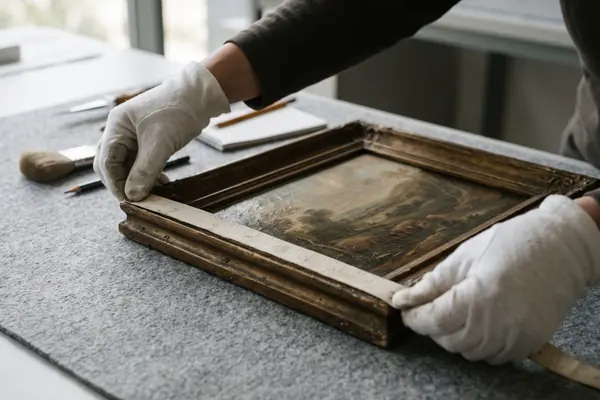
Marks, repairs, damage or labels set it apart. Photograph it clearly, following the standard's guidance.
TWO NUMBERS WORTH KNOWING
One figure on what is listed,
one on how often the market looks.
≈ 57,000
Stolen items in the police database
INTERPOL says its database combines descriptions and pictures of almost 57,000 items and is the only international database with certified police information on stolen art.
LISTED · INTERPOL
400,000+
Items checked against the register a year
The Art Loss Register says it carries out more than 400,000 checks a year on items coming onto the market, on behalf of auction houses, art fairs, museums, dealers and police.
CHECKED · ART LOSS REGISTER
INTERPOL's database is one of the international registers named in the 1995 UNIDROIT Convention on Stolen or Illegally Exported Cultural Objects when describing due diligence.
THREE PLACES A RECORD CAN LIVE
Pick a register to see what it is and who uses it. The bar shows roughly how many items each one lists.
Figures as stated by INTERPOL and the Art Loss Register on their own pages in October 2026. This page is an independent guide and not legal advice.
FAMOUS CASES
Goya's portrait of the Duke of Wellington was stolen from the National Gallery in London in 1961 and returned in 1965; the gallery's archive keeps the correspondence about both.
Thirteen works taken from the Isabella Stewart Gardner Museum in Boston in 1990, including works by Rembrandt, Vermeer and Manet, have never been recovered. The museum still offers a reward for information leading to their return.
In conversation
A database of descriptions and pictures of almost 57,000 stolen and missing items. Only authorised bodies can add entries, and only fully identifiable objects are included. Anyone can apply to become an authorised user and search it.
An international standard for describing cultural objects so they can be identified after a theft. It covers measurements, materials, subject, maker and distinguishing features, with guidelines on photographs. It was conceived by the Getty Information Institute.
INTERPOL's free ID-Art app lets you search its database by details or by taking a photo, without logging in. Saved searches are timestamped, which INTERPOL says can show due diligence was carried out.
A private database founded in London in 1990, listing more than 700,000 lost, stolen and looted items. Auction houses, art fairs and others use it to check items, and its services are free to law enforcement.
No. doodlesteal is an independent informational guide. If something of yours is stolen, report it to the police; this page only explains how the recording systems work.
Each figure on this page comes from the sources below.
ABOUT THIS NAME
doodlesteal.com is part of the DoodleSale portfolio. It isn't in an auction right now, but you can ask about leasing it.